Skip to content

Island of Molokai

Beach-at-Halawa Molokai

Molokai

Molokai Area: 673.4 km²
Population: 7,404 (2000)
Highest elevation: 4,961 ft (1,512.1 m)
Largest settlement: Kaunakakai

History of Molokai

Molokai is a Hawaiian island in the central Pacific. Molokai was long inhabited by self-sufficient taro growers and fishermen. In the 18th century the kingdom of Oahu gained control over Molokai; its rule lasted until 1785, when warriors from Maui and Hawaii islands invaded and separately ruled the island. Hawaiian chief Kamehameha I invaded in 1795 and subordinated the population as part of his effort to unify the Hawaiian Islands. Christian missionaries arrived on Molokai in the 1830s. A large ranch was established by Kamehameha V, but this destroyed much of the island’s plant life and fishing ponds.

By the 1860s a colony had been begun for victims of leprosy (Hansen disease), and this led to the forced resettlement of many of the island’s natives, particularly from the Kalaupapa Peninsula, in the 1860s and 1890s. The Hawaiian Homes Commission Act of 1921 encouraged homesteading and resettlement on Molokai. Lack of water slowed development, but after 1923, with the growth of the pineapple industry, small villages grew up on the plateau.

The economy of the island suffered a setback in the 1970s and 1980s when the pineapple growers, facing stiff competition from abroad, closed down their operations. Agriculture on the island is now more diversified, with seed corn, coffee and sweet potatoes among the leading exports. Kaunakakai, the chief village, is on the south coast and has a small harbor.

Halawa Valley – Molokai

Hālawa Bay Molokai
Halawa Bay 360 Panorama

Halawa Valley, valley, northeastern Molokai island, Hawaii, U.S. On the northeastern flank of Kamakou summit, it is a deep, verdant gorge 1.75 miles long and 0.5 mile wide.

Archaeological evidence dates habitation in the area from c. ad 650, which makes it one of the oldest Hawaiian settlements. The area possesses one of the most complete collections of ancient residential sites, more than a dozen heiaus (ceremonial and religious structures), and a large-scale irrigation system.

It is believed to be the longest continually occupied site in Hawaii. In the 13th and 14th centuries, it was one of the most densely populated parts of the Hawaiian Islands.

One of the few areas in eastern Molokai suited to agriculture and renowned for the taro root grown there, Halawa Valley supported hundreds of Hawaiians until disastrous tidal waves (1946 and 1957) destroyed most of the buildings and much of the vegetation. It is now occupied by a small number of fishermen and farmers, and it is largely a recreational area (hiking, surfing, fishing).

Hipuapua Falls and Moaula Falls

Hipuapua Falls drops about 500 feet. It is at the end end of the valley, is the area’s highest waterfall; also at the end of the valley is Moaula Falls – 250 feet. Legend says the pool below Moaula contains a moo, a giant lizardlike creature.

Hipuapua and Moa'ula Waterfalls
Hipuapua and Moa’ula Waterfalls
Hipuapua and Moa'ula Waterfalls
Hipuapua and Moa’ula Waterfalls

Leper Colony at Kalaupapa

Kalaupapa Peninsula, also called Makanalua Peninsula, peninsula on the northern shore of Molokai island, Hawaii, U.S. Occupying a 5-square-mile (13-square-km) plateau unsuited to agriculture, the peninsula is isolated from the rest of the island by 2,000-foot (600-metre) cliffs.  The panorama below was taken from the clifftop Kalaupapa Lookout in Palaau State Park.

Molokai Kalaupapa Panorama small
Kalaupapa Peninsula Panorama

It was formed more than 200,000 years ago from the flows of lava from nearby Pu‘u‘uao. For some 900 years it was the site of an ancient Hawaiian agricultural village, whose major crops were taro and sweet potatoes. Archaeological evidence has revealed a once densely populated settlement containing many religious sites.

Kalawao village, on the peninsula’s east side, is now abandoned but was the site of the original “leper colony” established by King Kamehameha V in 1866; to effect a quarantine, native Hawaiians were relocated from the area (the remainder were removed in 1895, after the medical facilities were moved from Kalawao to the western side of the peninsula).

From 1873 to 1889, Father Damien, a Belgian missionary, administered to the physical and spiritual needs of the lepers on the peninsula; his example drew many helpers to the colony. The entire peninsula was occupied by the state leprosarium until 1969, when Hawaii’s isolation laws were abolished.

The colony is still home to many surviving victims of leprosy (Hansen disease), and access to the peninsula is restricted. Kalaupapa (meaning “Flat Plain”) was designated a national historical park in 1980. The district is called Kalawao county but has no formal government and is represented in the state legislature as part of Maui county.

South Molokai Panorama

https://panaviz.com/scenic-molokai/south-molokai/
South Molokai

See our photos and virtual tour of Hawaiian Railway Society: Parlor Car 64

See More of my Panoramic Photography here.


Resort Photography

Resort Photography

Resort Photography – The Key Elements

We get to photograph some of the best resorts in the world.  Our photography can include the hotel associated with the resort and its amenities. A question that is sometimes asked is, what makes a property a resort?

What is a Resort?

A Resort is an establishment that aims to provide most of a vacationer’s wants on-premises, beyond just lodging.   This includes dining, sports, entertainment, and shopping.  Recreational activities such as boating, fishing, and golfing can feature prominently. 

Resort Photography Key Elements

Resort Photography
Ko Olina Resort, Kapolei, HI

Resorts are usually created near-natural, scenic surroundings and offer guests a variety of recreational activities and facilities such as golf, spa, gym, swimming pools, tours,  etc.

Big Island Resort Scenic 1

They are usually built on a larger land area. A beach or seaside resort is close to a  waterfront and offers activities like surfing, diving, sailing, beach sports, etc.

Mountain or hillside resort is usually situated near a mountain and offers activities like trekking, mountain climbing, hiking, etc. In simple terms, a resort is a great vacation destination.

Most resorts feature a hotel at its nexus and may feature timeshares, and privately owned homes within its community.

Ke Kailani Amenities 2018 10 23 077

Resorts can have amenities such as pools and hot tubs in various areas of the property. 

Resort Photography
Cleopatra Resort, Hurghada, Egypt

Resort Photography

Resort private pool
Resort Private Pool
Resort Photography

We get to photograph some of the best resorts in the world.  Our photography can include the hotel associated with the resort and its amenities.

Resorts tend to be sprawling, so it could mean photographing pools, common areas, restaurants, and bars all over the property.  We photograph the lodgings associated with the resort.  This can mean a resort hotel, resort villas as well as private homes located with the resort.

We photograph the beaches, golf courses, spas, and other features associated with the resort property.

Resort Photography Portfolio

Resort Photography Portfolio
See Some of our Hospitality Photography

Architectural Photography by Region


[ajax_load_more post_type=”post” category=”resort-photography” scroll=”false”]


Interior Design Photography

Interior Design Photography

Interior Design Photography

Interior design photography can some times take a back seat in a big project.  As architectural photographers, we capture the big picture.  We take aerial photographs that show the location, layout and overall structure of a building.

Then we focus on the facade and exteriors.  We take photos from different elevations, vantage points and at different times of the day.

Then we move on to the interiors.  We take photos of the lobbies, common areas, lounging areas, pools, recreational areas and more.  We keep the verticals vertical.  We try to showcase the life that will be had in a space.

Our photography shows the vision of the developer, the construction of the builder, the creatively of the architect. 

The team that makes a place hospitable and inviting is the interior and exterior design team.  They pick the furniture and furnishings.  They select the lights and fixtures.  They procure and install works of art.  They showcase the creativity of known and unsung artists.  They select products that only live in obscure catalogs. 

Focusing on the Small Details

We work with many such designers, and try to take some time to photograph the little details of their work.

We especially love it when they win industry awards with our photos.  Cheers to the interior and exterior designers out there! 

Interior Design Photography – PanaViz Photographer

Texas Architectural Photographer, PanaViz provides photography services to hotels, resorts, commercial and residential real estate and luxury condominiums for lease in Dallas, Austin, Houston, Fort Worth and beyond.

Our clients include architecture firms, developers, interior design firms, architectural design firms, marketing agencies, retails chains, hospitals, interior decorators, senior living communities, healthcare organizations, and schools.

See our architecture photography here.   See his Texas apartment photography services here.  See award winning apartment photography here. See our resort photography here.

NYC in 1 Day. From the Eyes of an Architectural Photographer

Architectural Photography -NYC

NYC in 1 Day – From the Eyes of an Architectural Photographer

I had never been to NYC.  I did not particularly hanker to.  Growing up in the Pacific Northwest, the Big Apple had no appeal to me.  I left the Pacific Northwest to settle on Oahu, and embraced the laid back lifestyle of Hawaii.

I become an architectural photographer, and traveling and photographing buildings in various  cities become work.  Never NYC though.

My daughter was invited to participate in a Broadway program over summer, and my wife insisted we go to NYC as a family.

I had every intention of not particularly liking the place.  I tried to plan a work/play trip to another locale, but that did not fly with the family.

NYC – First Impressions

It was as crowded as we expected.  The first day, we waited patiently for the crosswalk as New Yorker’s rushed by.  A kindly resident quickly told us there were no jay walking penalties in the city, and we got the hang of rushing with the flow.

The food drew us in first.   Food of all ethnicities.  Authentic.  We pleasantly found NYC not as expensive as we had anticipated.  Living in Hawaii had inured us to a higher cost of living.

It was peak summer, and the NYC was as busy as we had imagined.  The city was rather fragrant.  The pong of street-side garbage awaiting collection in the summer heat,  the body odor of sweltering humanity with limited personal space, the sickly sweet aroma of pot in unexpected places.

We did the usual touristy things.  The Met, Guggenheim, Central Park, etc. 

The Photos

I took all these on the one day I had a proper camera vs a cell phone.  On that day, we visited the Empire State Building.  We spent an afternoon in Central Park and then took a 90 minute Twilight Cruise on the waterways.

I used my battered and trusty Mark 3, with an all around lens.  I was truly enjoying the sites, and the photography was very much as a tourist and not a pro.

I did not have a tripod, and did not swap any lenses.  I am rather pleased with what my camera captured in the one day of sightseeing.

Alas, my battery pack died on the river cruise, so I was not able to get any night photos from the harbor.

Myths Busted

  • New Yorker’s are rude.  Not so, they are just busy.  They have places to go and tune tourists out.
  • The subway sucks.  Yes.  It is hot/smelly/busy in summer.  And winter.
  • The NY cabbies are rude.  True. 
  • The food is amazing.

The Upside

We ended up enjoying our stay in NYC immensely.  I enjoyed the energy, diversity, history, food, culture, noise, smells – all of it.  I have been back twice in six months, albeit for work.

Live there?  NEVER!

 See some a luxury home from the other end of the United States here. Luxury Hawaii Home.

Hawaiian Railway Society: Parlor Car 64

Hawaii Panoramas

Hawaiian Railway Society: Parlor Car 64

In 1900, Oahu Railway & Land Co. founder, Benjamin F. Dillingham, had Parlor/Observation Car No. 64 designed and built especially for himself. No. 64 was the showpiece of the OR&L’s rolling stock.

Built in Honolulu at a cost of $4,388.24, it had a double-size rear platform surrounded by ornate iron grill work and protected from the sun by fluted awnings.

Oak, mahogany and birds eye maple created an interior of luxury. The parlor car was fitted with a galley, lavatory, washstand and sideboard. It was used frequently by the OR&L for visiting dignitaries. The most notable guests were members of the Hawaiian royal family. The observation platform offered guests a chance to feel the cool trade winds, as well as giving them a better view of the landscape.

No. 64 has been restored and is available for charter.

Parlor Car 64 Virtual Tour

The Locomotive 302

One of Hawaiian Railway’s operational locomotives, this 300 horsepower Whitcomb diesel electric is used to pull the passenger and work trains.

Built: 1944 Weight: 45 tons B-B. Donated by the military in Hawaii.

About Hawaiian Railway Society

The Hawaiian Railway Society works to save Hawaii’s rich railroad history. This educational, non-profit organization was able to get the remaining stretch of track on Oahu (from Ewa to Nanakuli) placed on the State and National Registers of Historic Sites.  Visit their website here.


See amazing 360 panoramas from the Island of Molokai here.

Destination Photography by PanaViz


Frank Lloyd Wright Lava Rock Home, Hawaii

Frank Lloyd Wright Lava House

Frank Lloyd Wright Lava Rock Home, Waimea, Hawaii

PanaViz was invited to photograph the only Frank Lloyd Wright home built in Hawaii. These pictures show why his design is timeless and still relevant.

Passive Solar Hemicycle Home

Scroll Down for the Home History

History of Home:

Originally conceived for the Cornwell Family in Pennsylvania in 1954, the 3,700 sq. foot passive solar hemicycle home embodies Frank Lloyd Wright’s principles of organic architecture in which the structure blends harmoniously with the natural landscape.

The plans were prepared by Taliesin Associated Architects in Scottsdale, Arizona who are affiliated with the Frank Lloyd Wright Foundation and the only entity authorized to oversee the construction of Frank Lloyd Wright’s unbuilt projects. The project was built by Hans Torweihe and the interior design was completed by Gina Willman

Completed in 1995 the home was commissioned by Sanderson Sims who partnered with Taliesin Associated Architects, John Rattenbury and the Frank Lloyd Wright Foundation to bring the un-built plan to life.

Frank Lloyd Wright Lava Rock Home
Organic Architecture
Frank Lloyd Wright Lava Rock Home
Towering Glass Doors
Frank Lloyd Wright Lava Rock Home
FLW Built-In Seating
018
FLW Origami Chairs
Frank Lloyd Wright Lava Rock Home
Barrel Chairs

A series of opaque skylights bring natural light into the home and warm lighting behind opaque glass illuminates the house at night.

017
Skylights

This 3 bedroom, 3.5 bathroom architecturally significant residence can accommodate a family of 6 in a setting that is truly one-of-a-kind.

The bedrooms are located upstairs and “float” over the main level of the home.

020
Bedrooms “float” above the Main Floor
022
Curved Wall Bathroom
0451
Big Island Hawaii Countryside

Features of the home include an outdoor lava-rock hot tub overlooking the ocean and breathtaking mountain views.

Frank Lloyd Wright Lava Rock Home
Lava Rock Hot Tub

Throughout the landscaped property one will find secluded seating areas, a hammock and a small soccer field.

Frank Lloyd Wright Lava Rock Home
Secluded Seating Areas

Unique to this FLW home, residents are only a short 10 minute drive to beautiful white sand beaches, world class resorts and plentiful golf courses on the Kohala Coast. Also within a short drive is the idyllic country town of Waimea.

Kona Real Estate Photography by PanaViz.

Architectural Photography

resort-virtual-tour

Luxury Hualalai Resort Home Photography

Vacation Home Photography

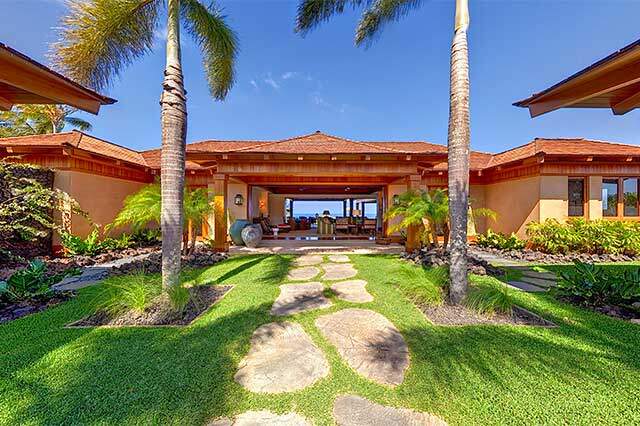
We photographed this luxury resort home, located in the Hualalai Resort on the North Kona Coast of the Island of Hawaii.

Photographing the sumptuous bathroom of this home was challenging. It has must see elements, from the outdoor plunge pool and lounging area, to the deep, deep indoor tub, in all quadrants of the space.

The only way to capture it all was to create a 360 degree virtual tour of the area. This lets you see how the space is laid out, how the different elements complement each other, and gives you a sense of the true scale of the bathroom.

Click on scene 4 of the virtual tour on the right to see the bathroom in its entirety.

Click Thumbnail To View 360 Panorama

Virtual Tour Photography
Interior/Exterior Photography
Architectural Photography - Bathrooms
Interior/Exterior Architectural Photography

Luxury Resort Photography

Resort Photographer

Luxury Resort Photography

PanaViz is a luxury resort photographer providing a full range of photography services to the hospitality industry.

Our hotel & resort photography clients include boutique and branded hotels, resorts and resort communities.

Luxury Resort Photographer:  Gallery

Luxury Resort Photography
Resort Photography – The Big Picture
Resort Aerial Photography 1
Resort Photography
Ke Kailani Amenities 2018 10 23 091
Resort Amenities
Luxury Resort Photographer
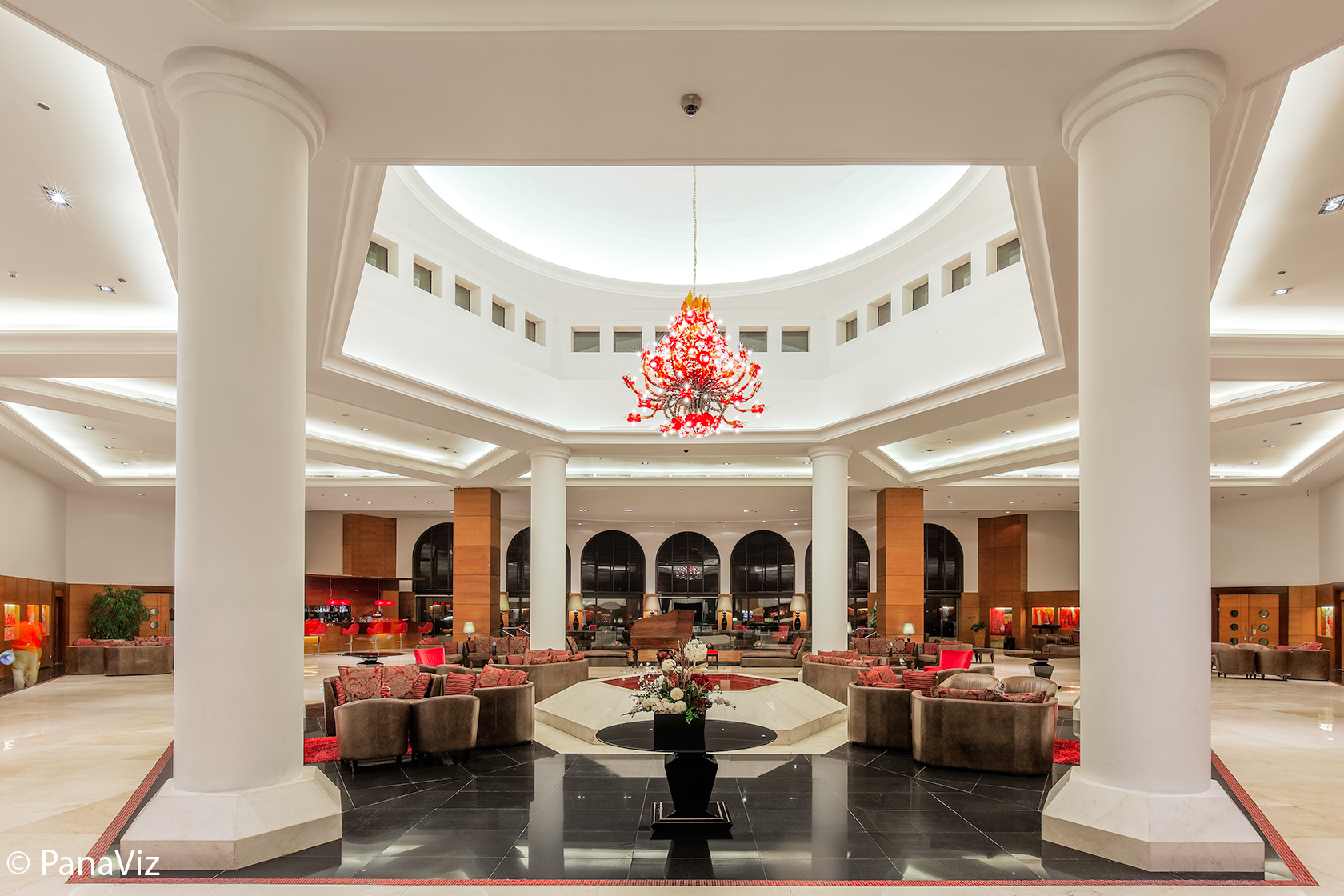
Resort Hotel Lobby
maui resort photographer
Resort Lodgings
Hotel Resort Photography
Resort Lodgings
Luxury Resort Photographer
Resort Living

Luxury Resort Photographer

Our resort and hotel photographers create spectacular rich media to showcase hotels and resorts. Our high impact hotel and resort photography is targeted to help hotels capture more direct and indirect online bookings.

Our resort  photography aims to fully showcase the amenities, locations and lifestyle associated with these destinations.

Our full range of luxury resort photography services include:

  • Aerial Photography.
  • Interior Photography – Lobbies, Restaurants, Rooms, Amenities.
  • Exterior Photography – Buildings, Pools, Amenities.
  • 360 Virtual Tour Photography.
  • Food & Beverage Photography.
  • Area Attractions.

Hotel photography should sell your property. Photos should be realistic and flatter your property.

Guests want to see in detail the rooms they stay in, amenities such as pools, restaurants and more. Event planners are interested in seeing your meeting and ballrooms.

Mood photos such as the famous sunset from your beach or restaurant should be included.

Your would be guests want to imagine themselves in your hotel or resort, so pictures of couples enjoying dinner, having a massage and more can be included.

PanaViz is based in Hawaii, U.S.A and we travel extensively covering assignments worldwide.

Related Links

Hotel Photography Showcase

Luxury Hotel Photographer

Hotel Virtual Tour Photography

Resort Photography Portfolio

Hinahina Residences at Kohanaiki

Luxury Residential Architectural Photography

Hinahina Luxury Residences at Kohanaiki

Kohanaiki, a 450-acre, private residential community located on the Kona Coast of the island of Hawai`i, recently unveilved its new Hinahina Residences designed by renowned architect Warren Sunnland.

The first new development of its kind on the Big Island in nearly a decade, Kohanaiki represents an evolution of the private club experience. The property is instilled with a welcoming, relaxed and comfortable lifestyle that is reflected in the warm and graceful attentiveness of the staff and the sense of genuine community among members.

PanaViz was tasked with photographing the various luxury homes offered in this development.  These homes were designed, built and furnished by various world renowned architects, builders and design firms.

  • Architect: Glazier Le Architects
  • Builder: Maryl
  • Year Built: 2016
  • View: Ocean   Mountain   Golf   Lake
  • Amenities:  Pool   Spa
  • Bedrooms: 3
  • Bathrooms: 3.5
  • Interior Square Feet: 2,123 sq ft
  • Lānai: 1,195 sq ft

Hinahina Luxury Residences at Kohanaiki

The Hinahina Residences grace one of the most private settings in all of Kohanaiki adjacent to 1,160 acre Kaloko Honōkohau National Park.

Designed by renowned architect Warren Sunnland, these 2-level residences are situated along the 7th fairway and enjoy ocean, golf course, and lake views to the west and sunrise views of Hualalai and Mauna Loa from to the east.

Hinahina Residence 6 features a great room, kitchen, and master suite on the upper level with ocean views and views of neighboring Kaloko Honokohau National Park. The ground level offers a retreat and two guest bedrooms, opening up to a spacious lānai and landscaped private yard with a swimming pool and spa.

This home comes fully furnished with a package by Henderson Interiors.

Architectural Photography of Luxury Resort Residences by PanaViz

Back To Top