Architectural Photography vs. Real Estate Photography
While both architectural and real estate photography involve photographing buildings, they serve very different purposes. For Seattle architects, developers, and builders, understanding these differences ensures your project is captured in a way that supports awards, leasing velocity, investor confidence, and long‑term brand value.
Below is a clear breakdown of how the two disciplines differ.
1. Purpose and Long‑Term Value
Architectural Photography
Architectural photography documents and elevates design intent — a critical need in a city where design review boards, public‑realm expectations, and sustainability standards shape every project.
Seattle‑area clients use architectural imagery for:
AIA Seattle and NAIOP Washington award submissions
Developer and investor presentations
Marketing for Class A multifamily and mixed‑use projects
Editorial features in design publications
Long‑term portfolio and brand identity
Pre‑leasing and lease‑up campaigns for new construction
Architectural images remain relevant for years, often becoming the definitive visual record of a Seattle project.
Real Estate Photography
Real estate photography is designed to sell or lease a property quickly, typically for single‑family homes or short‑term listings. It supports a short marketing cycle and is not intended for design documentation or long‑term brand use.
Seattle’s unique light, weather, and seasonal conditions require deliberate planning. Architectural shoots often involve:
Scouting for optimal sun angles (especially important in winter)
Timing around Seattle’s shifting cloud cover
Multiple visits to capture day, dusk, and night scenes
Collaboration with interior designers and staging teams
Precision composition to highlight materials and massing
This approach ensures the final images reflect the architect’s vision and the developer’s investment — whether it’s a South Lake Union lab building, a Capitol Hill boutique project, or a Bellevue luxury tower.
Real Estate Photography
Real estate shoots prioritize speed and efficiency. Most homes are photographed in 30–90 minutes, using fast, high‑volume techniques. This approach is appropriate for listings, not for design‑driven Seattle projects.
3. Equipment and Technical Approach
Architectural Photography
Architectural photographers use specialized tools to ensure accuracy and artistry:
Tilt‑shift lenses for perspective correction (critical for Seattle’s tall buildings)
Advanced lighting and multi‑exposure compositing
Color‑accurate workflows for natural materials like wood, concrete, and glass
High‑resolution sensors for large‑format output and editorial use
These techniques preserve true geometry and materiality — essential for Seattle’s design‑reviewed projects.
Real Estate Photography
Real estate photographers focus on efficiency:
Wide‑angle lenses
Quick HDR or flambient techniques
Lightweight gear
This is ideal for MLS listings, not for architectural documentation.
4. Editing and Post‑Production
Architectural Photography
Post‑production is meticulous and time‑intensive, especially for Seattle projects where:
Overcast skies may need balancing
Reflections from glass towers require careful control
Urban context must be preserved without distraction
Editing includes:
Multi‑exposure blending
Perspective correction
Object removal
Precision color grading
Publication‑ready finishing
Real Estate Photography
Editing is fast and functional — suitable for listings, not for long‑term brand assets.
5. Pricing and Licensing
Architectural Photography
Panaviz’s architectural day rate is approximately $5,000, reflecting:
Multi‑day production
Advanced lighting and equipment
Extensive post‑production
High‑resolution, publication‑ready deliverables
Licensing is typically per stakeholder — architect, developer, builder, interior designer — ensuring fair usage and supporting long‑term value.
Real Estate Photography
Real estate photography is priced for speed and volume, often $100–$300 per listing.
Why This Matters for Seattle Architects & Developers
Seattle’s competitive development landscape demands imagery that does more than document a space — it must communicate design excellence, support entitlement and marketing efforts, and strengthen your brand.
High‑quality architectural imagery:
Enhances RFP responses for public and private projects
Supports NAIOP, AIA, and ULI award submissions
Elevates your website and marketing materials
Helps lease‑up teams accelerate absorption
Strengthens investor and lender confidence
Documents your design legacy in a rapidly evolving city
Real estate photography cannot meet these long‑term, design‑driven needs.
About Panaviz — Architectural Photography for Seattle’s Design Community
Seattle’s architecture is defined by innovation, sustainability, and a deep connection to the Pacific Northwest landscape. From glass‑and‑steel towers in South Lake Union to luxury multifamily communities in Bellevue and Redmond, the region’s built environment demands photography that reflects its sophistication and intent.
Panaviz partners with Seattle architects, developers, builders, and design teams to create imagery that captures the essence of each project — its form, materials, light, and story. Our work supports award submissions, editorial features, investor presentations, and long‑term brand portfolios.
With decades of experience photographing complex architectural environments across the Pacific Northwest, Panaviz delivers publication‑ready images that highlight design excellence and elevate your project’s presence in a competitive market.
Hawaii Architecture Photographer, Panaviz provides photography for large‑scale residential communities, multifamily developments, and resort‑style properties across the islands. As a Hawaii architectural photographer, we document exterior design, amenities, aerial context, and lifestyle‑driven spaces for developers, architects, and operators. Kapilina Beach Homes is an example of our Hawaii architecture photography work, capturing the scale, coastal setting, and amenity‑rich environment of this master‑planned community.
CASE STUDY: Kapilina Beach Homes — A Single Shoot That Delivered Multi‑Stakeholder Value Across a Major Multifamily Asset
ʻEwa Beach, Hawaiʻi • Master‑Planned Community • 1,451 Units
Kapilina Beach Homes is one of Hawaiʻi’s largest residential communities — a 1,451‑unit master‑planned neighborhood redeveloped from former military housing into a resort‑style coastal community. Panaviz was commissioned as the architectural photography studio to capture aerials, amenities, lifestyle, and contextual imagery that would support the property through stabilization, leasing, marketing, and eventual disposition.
Aerials were captured using a Hughes 500 doors‑off helicopter, the same agile platform used for cinematic and commercial aerial work. This allowed us to document the full scale of the 360‑acre coastal site with precision, clarity, and maneuverability not possible from drones alone.
What began as a single shoot ultimately became a multi‑year, multi‑stakeholder asset used by:
Carmel Partners (Developer)
KTGY (Architecture)
Faulkner Design Group (Interior Design)
Greystar (Operator / Property Management)
Marketing & Leasing Teams
Investor Relations & Disposition Teams
Public Advertising Campaigns (lit‑up mall billboards across Oʻahu)
One year after our final shoot, Kapilina Beach Homes was acquired by Blackstone, with our imagery supporting the property’s positioning during stabilization and disposition.
1. Developer Value — Carmel Partners
Stabilization • Investor Reporting • Disposition • Institutional Sale
Carmel Partners used Hawaii Architectural Photographer, Panaviz’s imagery to:
Document the transformation of a former military community
Showcase amenity upgrades and capital improvements
Support stabilization during lease‑up
Strengthen investor communications and quarterly reporting
Prepare materials for the successful sale to Blackstone
Impact: Studio‑grade visuals helped communicate the scale, lifestyle, and long‑term value of the community — critical for institutional investors evaluating a large‑scale acquisition.
Impact: Architectural‑grade photography allowed KTGY to demonstrate design intent, site planning, and community‑scale improvements with clarity and precision.
3. Interior Design Value — Faulkner Design Group
Amenity Storytelling • Material & Finish Documentation
Faulkner Design Group used the imagery to:
Highlight amenity interiors and lifestyle spaces
Showcase material palettes, furnishings, and design details
Support their national multifamily + senior living portfolio
Strengthen award submissions and design presentations
Impact: The photography provided clean, consistent visuals that elevated Faulkner’s design narrative across multiple channels.
4. Operator Value — Greystar
Leasing • Marketing • Multi‑Channel Campaigns
Greystar utilized the imagery for:
Leasing gallery updates
Website and ILS listings
Social media and digital marketing
Community branding and resident communications
Impact: The visuals helped drive leasing velocity and maintain consistent brand presentation across all marketing platforms.
5. Marketing & Public Advertising Value
Large‑Format Billboards Across Oʻahu
Panaviz’s imagery was featured in:
Lit‑up mall billboards in major Oʻahu shopping centers
Large‑format leasing campaigns
Community‑wide signage and promotional materials
Impact: High‑resolution, studio‑grade imagery translated seamlessly into large‑format displays, strengthening Kapilina’s public presence and brand identity.
6. Portfolio Value — Long‑Term, Multi‑Stakeholder Use
One Shoot → Many Outcomes
This single shoot produced imagery that served:
Developers
Architects
Interior designers
Operators
Leasing teams
Investor relations
Disposition teams
Public advertising partners
Institutional buyers (Blackstone)
Impact: A single production day generated multi‑year, multi‑stakeholder value, culminating in the property’s acquisition by Blackstone.
Conclusion: A Single Shoot, Maximum Impact
Kapilina Beach Homes demonstrates how one well‑executed architectural photography shoot can support:
Design documentation
Leasing & marketing
Investor confidence
Stabilization
Disposition
Public advertising
Institutional acquisition
Panaviz continues to support developers, architects, and operators across the U.S. with studio‑grade architectural photography that delivers value far beyond the shoot day.
Here we share a typical shoot of an apartment complex, its amenities, and styled model units. Photographs of this shoot we submitted for various awards consideration and won several accolades.
Seattle Multifamily & Mixed Use Apartment Photography
Seattle Architectural Photographer, PanaViz provides photography services for commercial and residential real estate in Dallas, Austin, Houston, Fort Worth, and beyond.
Multifamily Apartment Photography – Aerials and AmenitiesModel Room Photography
We regularly photograph multifamily communities throughout Seattle and the Puget Sound region. The area is home to many national and regional operators, including: Greystar, AvalonBay, Equity Residential, UDR, Holland Partner Group, Mill Creek Residential, Wood Partners, Quarterra, Security Properties, Trammell Crow Residential, Bozzuto, Bridge Investment Group, Pillar Properties, Vulcan Real Estate, MainStreet Property Group, Epic Asset Management, Precision Management, Walls Property Management, and MainGate Management.
About David Tonnes, Principal Photographer
This Seattle multifamily project was photographed by David Tonnes, Principal Photographer at Panaviz. Born and raised in the Pacific Northwest, David brings a deep understanding of the region’s architecture, light, and landscape to every assignment. His award‑winning architectural photography is known for its clean compositions, technical precision, and ability to capture the design intent behind each project.
With a trained eye for form, materials, and spatial flow, David has photographed multifamily, commercial, hospitality, and senior living communities throughout Washington and Hawaii. His work has been recognized by industry organizations and featured in marketing campaigns, award submissions, and national publications. Developers, architects, and builders trust David for imagery that is both visually compelling and true to the built environment.
Book Seattle MultiFamily Apartment Photography in Seattle
Different types of drone photography can significantly benefit the building industry by making processes more efficient, improving communication, and enhancing project management. Here’s a closer look at how these technologies, including 360 aerial panoramas and simulated future views from different elevations, can be used:
1. Aerial Photography:
Site Analysis & Planning: Drones provide a bird’s-eye view of the site, giving architects and planners a clear understanding of the terrain, surroundings, and any potential challenges.
Progress Monitoring: Regular aerial photos help document construction progress, allowing stakeholders to see how the project is developing over time.
Marketing & Presentations: High-quality aerial images are perfect for showcasing the scale and location of a project, making them valuable for presentations and promotional materials.
2. Aerial Videography:
Dynamic Project Documentation: Capturing video footage of the construction process offers a dynamic way to document progress and share updates.
Safety Inspections: Video from drones can be used to inspect hard-to-reach areas, helping to ensure safety without putting workers at risk.
3. 360-Degree Aerial Panoramas:
Immersive Site Views:360-degree panoramas allow stakeholders to explore the construction site from every angle, providing a complete and interactive view of the environment. This is especially useful for large or complex projects.
Remote Inspections & Presentations: With 360 panoramas, clients and project managers can virtually tour the site from anywhere, reducing the need for frequent on-site visits.
Marketing & Client Engagement: These immersive views can also be used in presentations or on websites to give potential clients a virtual experience of the site, making conveying the project’s scope and appeal easier.
4. Future Views from Different Elevations:
Pre-Construction Visualization: Before construction begins, drones can simulate future views from different elevations of a planned building. This helps clients and architects visualize how the finished structure will look and what the views will be like from different floors.
Client Presentations & Approvals: Showing future views from various levels can help clients make informed decisions and speed up the approval process.
Design Refinement: Understanding how a building will interact with its surroundings at different heights allows architects to optimize designs for better views, natural light, and overall aesthetics.
5. Orthomosaic Mapping:
Accurate Site Maps: Drones can create detailed, high-resolution maps of the site, which are essential for planning and resource management.
Volume Calculations: These maps can also be used to calculate the volume of materials like soil or gravel, helping with cost estimation and resource allocation.
6. 3D Modeling & Photogrammetry:
Detailed 3D Models: Drones capture images from multiple angles to create accurate 3D models of a site or structure, which can be invaluable for planning and identifying potential issues before they become problems.
As-Built Surveys: These models can also be used to compare the finished building with the original plans, ensuring accuracy and identifying any deviations.
7. Thermal Imaging:
Energy Efficiency Assessments: Thermal drones can detect heat loss, poor insulation, and other issues, helping to make buildings more energy efficient.
Structural Inspections: They can also identify problems like moisture, electrical faults, or compromised materials, allowing for timely maintenance and repairs.
8. LiDAR Scanning:
High-Precision Mapping: Drones equipped with LiDAR generate highly accurate topographic maps, which are crucial for planning in complex terrains.
Infrastructure Monitoring: LiDAR can also be used to monitor existing infrastructure, like roads, bridges, and pipelines, ensuring they meet safety standards.
9. Environmental Monitoring:
Impact Assessment: Regular drone surveys help monitor environmental changes and ensure the project complies with regulations, minimizing its ecological impact.
Erosion Control: Drones can track erosion, sedimentation, and other environmental factors, helping to implement necessary control measures.
10. Time-Lapse Photography:
Visualizing Construction Phases: Time-lapse sequences capture the project’s progress over time, providing a compelling visual summary that’s valuable for project reviews and marketing.
Why This Matters:
Better Decision-Making: Detailed visual data from drones supports better planning, design, and construction decisions.
Improved Client Communication: Tools like 360 panoramas and future views from different elevations help clients understand the project more clearly, leading to quicker approvals.
Cost and Time Savings: Drone photography reduces the need for expensive surveys and frequent site visits, keeping projects on schedule and within budget.
Increased Safety and Accuracy: Drones improve safety by reducing the need for manual inspections of hazardous areas, and they provide more accurate data for site assessments and surveys.
Incorporating these various types of drone photography into building projects can lead to more efficient, informed, and visually engaging outcomes, ultimately benefiting everyone involved.
Panaviz is a leading architectural and building industry photographer who provides drone photography specializing in high-quality aerial imaging for the building industry. We offer a range of services, including aerial photography, videography, 360-degree panoramas, 3D modeling, and LiDAR scanning. Our expertise allows us to capture detailed, accurate, and visually compelling images that enhance site analysis, project documentation, and client presentations. With a focus on innovation and precision, Panaviz helps construction professionals visualize, monitor, and showcase their projects, ensuring better decision-making and project outcomes.
Panaviz | Architectural and Building Photography Services
PanaViz delivers architectural photography for multifamily communities across Hawaii, Seattle, Texas, and nationwide. We work with developers, property management companies, and marketing teams to produce images that communicate design quality, drive leasing activity, and build brand value. Every shoot is planned around your marketing objectives — from pre-leasing campaigns to stabilized community refreshes.
Whether you’re launching a new garden-style community or repositioning a luxury high-rise, our photography gives your property the competitive edge it needs in a crowded market.
Photography for Multifamily Apartment Communities: A Practical Insight
Unveiling Multifamily Living
In this article, we explore the specificities of architectural photography in the multifamily sector, differentiating it from traditional real estate photography, shedding light on the hard work invested by photographers, and examining the various shots that tell the story of these living spaces.
Architectural Photography vs. Real Estate Photography: Beyond the Basics
Architectural photography for multifamily communities goes beyond standard real estate imagery. Unlike the straightforward approach of real estate photography, the focus here is on capturing the artistic and aesthetic aspects that define these living spaces. It’s about showcasing the property’s character and vibe, rather than just presenting it as a commodity.
Aerial Photography: Getting a Bird’s-Eye View
A key feature of architectural photography in multifamily communities is the use of aerial shots. Photographers employ drones or elevated platforms to capture unique perspectives that reveal the layout and design of the community. These shots add depth to the visual story, providing viewers with a better understanding of the overall environment.
Exterior Photography: More Than Just a Pretty Facade
Capturing the external features of multifamily communities involves careful framing to highlight architectural details, landscaping, and outdoor spaces. It’s about giving viewers a genuine look at the community’s exterior, encouraging them to explore further. The goal is to present the property as more than just a building but a functional and inviting living space.
Amenity Photography: Utilizing Quiet Times
To portray the lifestyle associated with multifamily living, photographers strategically choose quiet times, such as dawn, to capture amenity areas. Early morning shoots, when public areas are empty, provide a calm backdrop for capturing swimming pools and communal spaces. These images communicate tranquility and exclusivity, adding a unique aspect to the visual narrative.
Interior Architecture Photography: Beyond the Surface
Shifting the focus to the interior, architectural photographers aim to capture the spatial elements that define multifamily living. Through keen composition and attention to detail, they highlight the architectural aspects that make each unit stand out. These interior shots go beyond aesthetics, giving viewers a practical look into the living spaces.
Resident Amenity Photography: Showcasing Community Spaces
Photographers focus resident amenities, capturing the vibrancy of communal areas such as lounges and game rooms. These images showcase the shared experiences that bind residents together, emphasizing the practical aspects of community living beyond individual units.
Model Room Photography: Visualizing the Living Experience
Model room photography serves a practical purpose – it invites viewers to envision themselves within the living spaces. Carefully staged shots blend interior design aesthetics with personalization, offering a realistic look at what life could be like in the community.
Interior Design Photography: Detailing Living Spaces
Architectural photography extends to capturing the details of interior design. Focusing on individual rooms, photographers highlight design elements, decor, and lighting to provide viewers with a practical understanding of the atmosphere within each living space.
The Photographer’s Reality: Long Hours and Dedication
The work of an architectural photographer in the multifamily sector involves substantial time and effort. Long hours are the norm, driven by a commitment to perfection and an understanding that every shot contributes to the overall narrative. This isn’t just a job; it’s a hands-on endeavor requiring patience and a sharp eye for detail. 14-hour days are not unheard of.
Model Unit & Interior Design Photography
Staged model units are a property’s strongest sales tool. We collaborate with staging teams and interior designers to photograph units that help prospects visualize living in the space — capturing furniture layouts, finish packages, kitchen and bath details, and the quality of natural light throughout the day.
Resident Lifestyle & Community Spaces
Game rooms, rooftop terraces, dog parks, community gardens, and gathering areas tell the story of what it’s like to live in your community. These images move beyond architecture into experience — showing the lifestyle that comes with the address.
Aerial & Drone Photography
FAA-certified drone operations provide elevated perspectives, 360° panoramas, site context imagery, and neighborhood proximity shots. Aerial photography is especially valuable for large communities, mixed-use developments, and properties with notable surroundings — waterfronts, urban cores, mountain views, or resort settings.
PanaViz coordinates directly with your marketing department for creative direction, facilities management for logistics, and property management for access and scheduling. Here’s how a typical project moves from kickoff to delivery:
Discovery & Planning — We start by understanding your marketing goals, target audience, and intended use for the images. Together, we develop a detailed shot list and schedule that accounts for lighting conditions, property readiness, and any staging requirements.
Coordination — We work with your property management team, facilities staff, staging companies, and marketing departments to ensure every space is prepared and accessible. Nothing is left to chance on shoot day.
On-Site Production — Most multifamily shoots are full-day productions, often spanning 12–14 hours from dawn to dusk. This allows us to capture exteriors, interiors, amenities, and aerials in optimal lighting conditions throughout the day.
Post-Production — Every image goes through professional editing for exposure, color accuracy, perspective correction, and final polish. We deliver high-resolution files that meet print and digital standards.
Delivery & Usage — Final files are delivered ready for your website, print collateral, social media channels, ILS listings, leasing packages, and award submissions. We provide files in the formats and resolutions your team needs.
Markets We Serve
PanaViz photographs multifamily communities across a range of property types and price points:
Garden-style apartment communities
Mid-rise and high-rise residential towers
Mixed-use developments
Luxury rental communities
Affordable housing
Senior living communities
Student housing
We maintain deep market expertise in Hawaii (Oahu, Maui, Kauai, and Big Island), the Pacific Northwest (Seattle metro), and Texas (Dallas, Houston, Austin). We also take on multifamily projects nationwide — wherever the project requires a dedicated architectural photographer.
Featured Project: Camden North End
Client: Camden Property Trust
Architect: Todd & Associates
Location: Phoenix, Arizona
Type: Mid-Rise, 441 Units
PanaViz produced a comprehensive photography package for Camden North End, covering building exteriors, model units, amenity spaces, and aerial site context. The shoot was coordinated with Camden’s marketing team to align with a brand refresh and new leasing campaign. Images from this project are used across Camden’s website, print materials, and social channels.
20+ years of architectural photography experience — Led by David Tonnes, with a portfolio spanning commercial, hospitality, and residential projects
FAA-certified drone operators — Licensed and insured for commercial aerial photography nationwide
Nationwide service with deep local expertise — Based in Hawaii, with established operations in Seattle and Texas markets
Trusted by leading developers and property management firms — Long-term client relationships with some of the largest multifamily operators in the country
Full-service capabilities — Stills, aerial, video, virtual tours, and 360° panoramas — all from one team
Award-winning portfolio — Work featured in the Wall Street Journal, HGTV, Coastal Living, and industry publications
Get Started
If you’re planning a shoot for a new development, a lease-up campaign, or a portfolio refresh, we’d like to hear from you. PanaViz works with marketing teams, developers, and property managers to scope projects efficiently and deliver results on schedule.
Reach out by email or phone to discuss your project scope, timeline, and budget. We’ll provide a detailed proposal tailored to your property and goals.
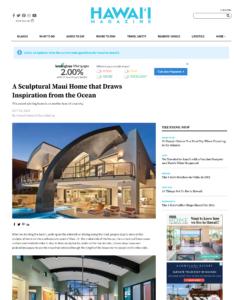
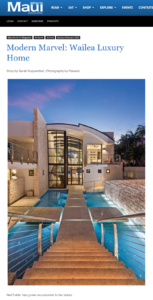
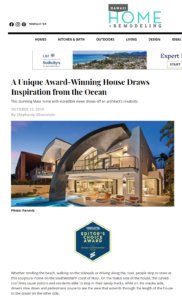
Maui-based architect Marc Taron of Arquitectura reached out to Hawaii Architecture Photographer, Dave Tonnes of PanaViz to photograph this custom home with the intent of submitting it for awards consideration. And it was a winner!
Sculptural Maui Home
How to Photograph a Home for Awards Submissions
Listen to your client. We find out elements are important to the architect, design team, and owners.
Photography Tools. Use appropriate architectural photography tools to capture these elements. For this home, we used a drone, elevated pole photography, and standard interior/exterior photography equipment.
Trust the Photographers Eye. We try to capture all the elements that are important to our clients. But at the end of the day, Dave trusts his instinct and captures scenes and images that make sense to him. These images usually end up being the “hero” shots that end up getting published.
Take Your Time. We do not hurry these shoots. Images are captured over a period of time. Sometimes it takes a few days if weather is a factor. We spent an entire day, from dawn to nightfall, photographing this home.
Give Your Clients Lots of Image Choices. We gave the team a vast selection of images (130 images!) to choose from for their awards submission.
Get Ready for Exposure. If a home does win any awards, your images will be featured in magazines, and newspapers, and end up on the covers of industry magazines.
The Story of the Award-Winning Home by Maui Architect Marc Taron
The owners, Neil and Suzette Felder wanted their new home to be unique and creative, and to preserve the ocean view from off their property. They selected Marc, who is known for designing high-end homes with indoor-outdoor features that capture incredible views.
Dramatic and Different
Neil and I both wanted something very different, and it is. That was the vision.
Suzette, Homewoner
They ended up with a daringly different home which also harmonizes with its coastal surroundings.
An aerial view of the property shows off the home’s most enviable asset— its frontage to Keawakapu Beach.
Because the property is not subject to the confines of an association’s design guidelines, Taron was able to extend his creativity beyond the limits of some of his other projects. Taron’s first drawings were innovative, but not quite over-the-top enough for the Felder’s.
I was like, ‘All right, gloves are off, baby,’ and that’s when I started really coming up with something out of the norm.
Marc Taron
The Felder’s wanted to share the ocean view and have it become part of the home’s design.
At the top of the Felders’ wish list for their home was the ability to see the ocean through the house from the street.
Beachfront Home
“That’s really something,” Taron says, noting that many beachfront houses block the view due to their size and privacy barriers.
It’s clearly not Hawaiiana-style, but with its curves and simple forms, the house seems to blend into the lot.
Marc Taron, Architect
A tile walkway stretches across the reflecting pool, leading the homeowners from the mauka side of the property into their home.
Entering the home is an experience in itself. From the garage, the Felders can walk along an elevated walkway into the second floor of the home or descend an open staircase to the lower level; or, they can ride a glass elevator.
Walls of windows supplied by Maui Windows & Doors allow the interior of the garage and the home itself to appear on display.
Taron designed the house to be modern, sculptural, and open. The garage is at street level, and with its two walls of glass windows, the Felders’ Porsche appears to be on display. Walls of windows supplied by Maui Windows & Doors allow the interior of the garage and the home itself to appear on display.
From the street, an open stairway with LED lights beneath each tread leads to a tiled walkway over a reflecting pool. This is illuminated at night by a flickering starfield below the water’s surface, as though a reflection of the night sky.
Along the retaining walls, waterfalls pour into the reflecting pool, adding to the ambiance.
Inside, the home is completely open. The walkway leads into the great room, an open concept comprised of the kitchen, dining, and living areas that extend to the second story of the home.
I look at the house itself as a piece of art, and that’s why it was important for the ocean to be a part of that artwork.
Neil, Owner
The two-story great room has two stories of windows, letting the owners see the ocean from anywhere in the home.The Home is Super OpenThe kitchen’s upper cabinets were color-matched to the green in the Amazonite quartzite countertop.
Kitchen and bath designer Cindy Tervola of Tervola Designs used a color palette drawn from the kitchen’s Amazonite quartzite countertop, a stone that Suzette really liked.
The modern kitchen has two-tone, flat-panel European cabinetry, mixing light green upper cabinets that were color matched to the countertop with high-gloss white lacquer, including matching panels for the Thermador appliances.
The master bath has both an outdoor and indoor shower and the husband and wife each have their own floating vanity with under-cabinet LED lighting. Hers is shown here.
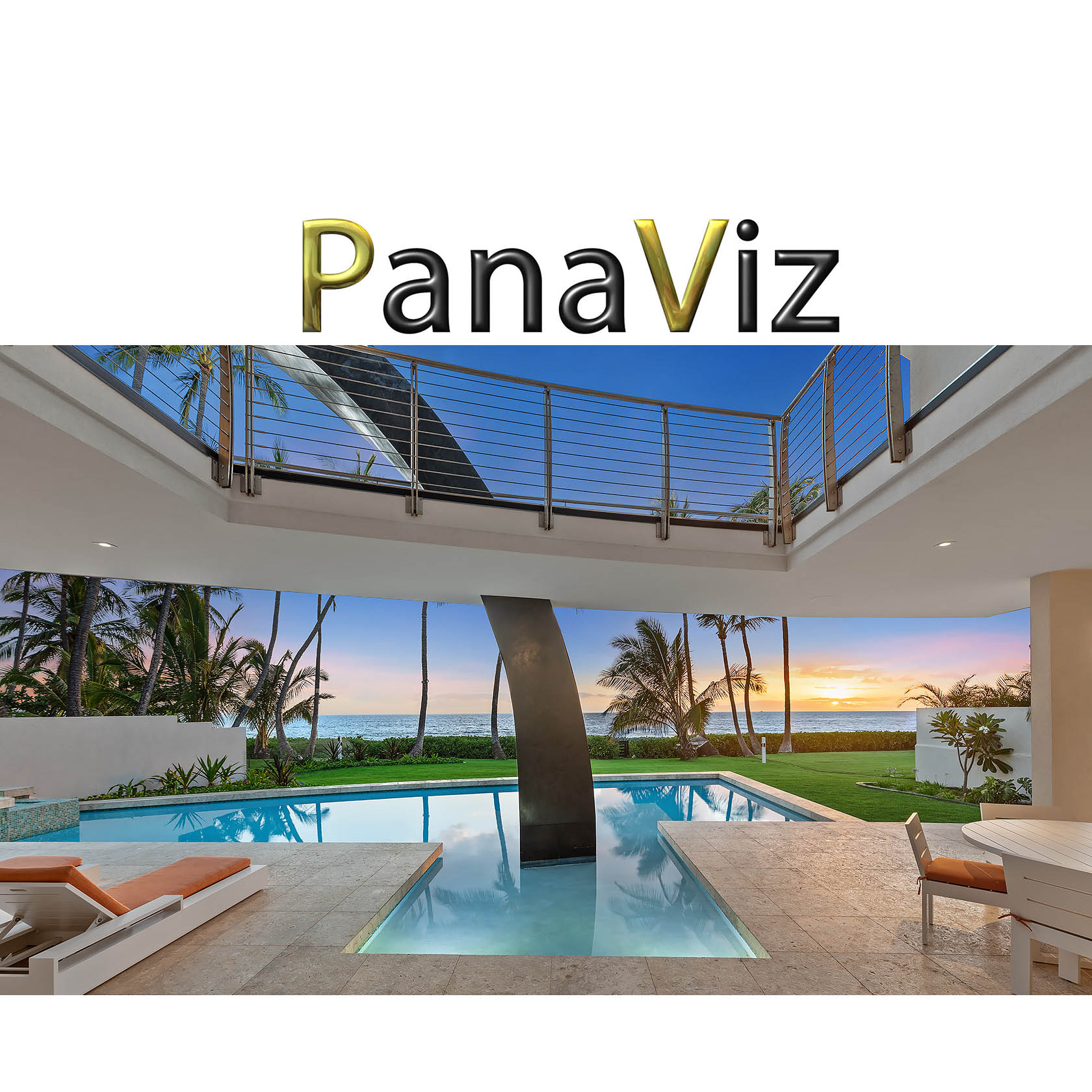
Through Fleetwood doors from Pacific Source that can be pulled completely open, the great room extends outside to the pool deck and lawn before reaching the beach and ocean beyond. The pool deck is partially shaded by a cantilevered lanai from the second floor, which also inspired the design of the home’s makai-facing exterior.
A support system was necessary for the cantilever lanai, and rather than use a column, Taron designed a sculptural, artistic arch that made a bold statement. The arch extends from the pool up through the lanai to provide support, and then continues past a guest bedroom — which creates shade for the room — and crests above the roofline. Taron mimicked the shape of the arch throughout the home’s roof, with additional curves to represent a set of rolling waves.
The arch, which supports the cantilever lanai, has the added benefit of providing shade for this guest bedroom.
“It was ingenious,” Neil says of the structural arch, noting that it allows the rest of the area to remain completely open.
The owners spend most of their time on the oceanfront side of the home.
The Felders spend most of their time on this side of the house, closest to the ocean but set back enough to enjoy the view from any part of their home. They never tire of it.
I’m always amazed at how beautiful it is. It’s so unique. It’s just beautiful.
Suzette, Homeowner
Architectural Award Photography – Awards and Publications
The hard work of the entire team was recognized. The home won accolades and generated many headlines and magazine stories.
Coastline Stone and Tile, Inc. (tile for interior and lānai) 1765 S. Kīhei Rd., Kīhei 808-879-0635 Rob@CoastlineStoneAndTileInc.com CoastlineStoneAndTileInc.com
DFG Masonry, Inc. (concrete) 12 Mano Dr., Kula 808-876-0951
Read Lighting 335 E. Wakea Ave., Kahului 808-871-8995 ReadLightingHawaii.com
Tradewinds Air Conditioning Inc. 430 Kaulana St., Kahului 808-281-2109
Yadao Construction (framing) 808-879-4274
Architectural Award Photography
How to Photograph a Home for an Architect for Award Submissions.<br>
Total Time:
Importance of Professional Photography:
Professional photography is essential when submitting a project to awards and publications. It’s about more than just capturing images; it’s about telling a story, highlighting design details, and creating an emotional connection with viewers. High-quality images help judges and the public understand the architect’s vision and craftsmanship.
Planning the Photoshoot:
A successful photo shoot for an architectural project requires meticulous planning. PanaViz collaborated closely with Marc Taron to understand the key design elements, lighting, and angles that best showcase the home’s unique features. This would ensure that the final images effectively communicate the architect’s design intent.
Lighting and Timing:
Lighting plays a critical role in architectural photography. PanaViz would have carefully chosen the right time of day to capture the home in the most flattering light, taking into account the orientation of the property and the movement of the sun. This attention to detail ensures that the photos highlight the home’s aesthetic appeal.
Composition and Perspective:
Skilled photographers like those at PanaViz know how to frame shots to create a sense of balance and harmony. They use various angles and perspectives to emphasize the home’s design elements, such as unique angles, materials, and textures.
Editing and Post-Processing:
Post-processing is a crucial step in modern architectural photography. PanaViz would have used editing techniques to enhance the images, correct any imperfections, and create a cohesive visual narrative. This ensures that the final photos are magazine-worthy and ready for submission.
Submission to Awards:
Winning awards in the building industry often involves submitting a portfolio of images that showcase the project. PanaViz would have selected the best shots that highlight different aspects of the home’s design, such as interiors, exteriors, and details. These images would have been presented in a way that effectively communicates the architect’s vision.
Media Coverage and Storytelling:
In the case of Marc Taron’s home on Maui, the professional photographs captured by PanaViz not only helped win awards but also secured magazine covers and stories. These images would have been accompanied by compelling narratives that explain the design concept, materials used, and the overall architectural significance of the project.
Promoting the Architect’s Brand:
Exceptional photography not only benefits a single project but also contributes to the architect’s overall brand and reputation. Winning awards and gaining media coverage can lead to more commissions and opportunities.
Showcase Your Brand with Stunning Up to 4K Property Videos
In the ever-evolving world of property marketing, visuals are the key to capturing your audience’s attention. At PanaViz, we are dedicated to transforming your property marketing strategy with mesmerizing branding and promotional videos in up to 4K resolution. Whether you’re promoting new developments, new builds, existing properties, showcasing the visionary work of architects, developers, or realtors, or simply aiming to showcase a property, we have the expertise to bring your vision to life.
Why Choose Up to 4K? Because Quality Matters.
Your property’s story deserves to be told with precision and perfection. Up to 4K resolution offers stunning clarity and detail, making your property shine in the digital world. At PanaViz, we take pride in delivering visual content that sets your brand and properties apart.
Our Expertise: Turning Properties into Visual Masterpieces
Creating property videos is an art that requires more than just technical skill—it’s about capturing the essence and emotion of a place. Our seasoned team of professionals brings a wealth of experience in real estate and property videography to the table. We collaborate closely with you to understand your goals and translate your property’s unique selling points into captivating, visually striking videos.
Our Services:
New Developments: Make a grand entrance in the market with videos that highlight the potential and promise of your new development.
New Builds: Showcase the craftsmanship and attention to detail in your newly constructed properties, making them irresistible to potential buyers.
Existing Property Marketing: Revamp your marketing efforts with up to 4K videos, breathing new life into established properties.
Architect and Developer Marketing: Showcase your architectural brilliance and property developments with videos that convey your vision and innovation.
Realtor Showcase: We understand the importance of making properties stand out. Our videos create a lasting impact on potential buyers.
Why Choose PanaViz?
Uncompromising Quality: PanaViz is committed to delivering videos of the highest quality, ensuring your properties are showcased beautifully.
Collaborative Approach: We work closely with you to understand your brand, property, and target audience, creating videos that resonate with your market.
Cutting-Edge Technology: PanaViz embraces the latest equipment and techniques in video production to make your content stand out.
Global Reach: We serve clients worldwide, providing our expertise to real estate professionals, developers, and architects globally.
Seasoned Team: Our talented professionals bring a wealth of experience in property videography, combining technical expertise with creative flair.
Ready to Elevate Your Property Marketing?
PanaViz is your partner for creating exceptional branding and promotional property videos in up to 4K resolution. Let us help you capture the true essence of your properties, engage your audience emotionally, and elevate your brand above the competition.
Contact us today to discuss your project and embark on a journey to create property videos that truly captivate.
Elevate your property marketing with PanaViz—where quality meets creative excellence.
Hawaii Architectural Photography for the Healthcare Industry
Panaviz specializes in comprehensive photographic documentation of medical buildings. They capture these structures from various angles, including aerial, exterior, and interior photography. Aerial photography highlights the integration of healthcare facilities with the natural landscape. Exterior photography showcases architectural details and functionality, emphasizing the blend of form and function. Interior photography focuses on the design and ambiance contributing to the patient experience.
Panaviz’s expertise extends to photographing ancillary services and facilities, providing a holistic view of the healthcare ecosystem, including waiting rooms and lobbies. Their work goes beyond photography, serving as a visual representation of the importance of medical buildings in healthcare. It enables architects, designers, and healthcare professionals to effectively showcase their work. Explore their diverse portfolio to witness the range of spaces and perspectives they capture.
Architectural photographers can capture various types of hospitals, clinics, and healthcare facilities, including:
General Hospitals: Comprehensive healthcare facilities providing a wide range of medical services.
Specialty Hospitals: Specialized institutions, such as cardiac, cancer, or orthopedic hospitals.
Outpatient Clinics: Medical centers offering services without overnight stays, like urgent care facilities or dialysis centers.
Rehabilitation Centers: Facilities for physical, occupational, or drug rehabilitation.
Nursing Homes: Residential care facilities for long-term care of the elderly or those with chronic illnesses.
Mental Health Facilities: Institutions for psychiatric and behavioral health services.
Pediatric Hospitals: Hospitals exclusively for children’s healthcare needs.
Ambulatory Surgery Centers: Outpatient surgical facilities for minor procedures.
Diagnostic Imaging Centers: Facilities specializing in medical imaging services like MRI, CT scans, and X-rays.
Hospices: Care centers for terminally ill patients, providing palliative care.
Dental Clinics: Facilities for dental examinations, treatments, and oral healthcare.
Walk-in and Retail Clinics: Convenient medical services are offered in retail settings.
Women’s Health Centers: Facilities focused on women’s healthcare, including obstetrics and gynecology.
Rehabilitation Hospitals: Specialized institutions for patients recovering from injuries or surgeries.
Laboratories: Medical testing and diagnostic facilities.
Telemedicine Facilities: Spaces equipped for remote healthcare services and consultations.
Research Institutions: Healthcare institutions involved in medical research and clinical trials.
Veterinary Hospitals and Clinics: Facilities for the healthcare of animals.
Palliative Care Centers: Specialized institutions for end-of-life care.
Community Health Centers: Healthcare centers serving underserved populations in communities.
Architectural Photography for the Healthcare Industry
Architectural photographers play a crucial role in showcasing the design, functionality, and ambiance of these diverse healthcare facilities, allowing designers, healthcare professionals, and the public to appreciate their significance and impact on the well-being of patients and communities.
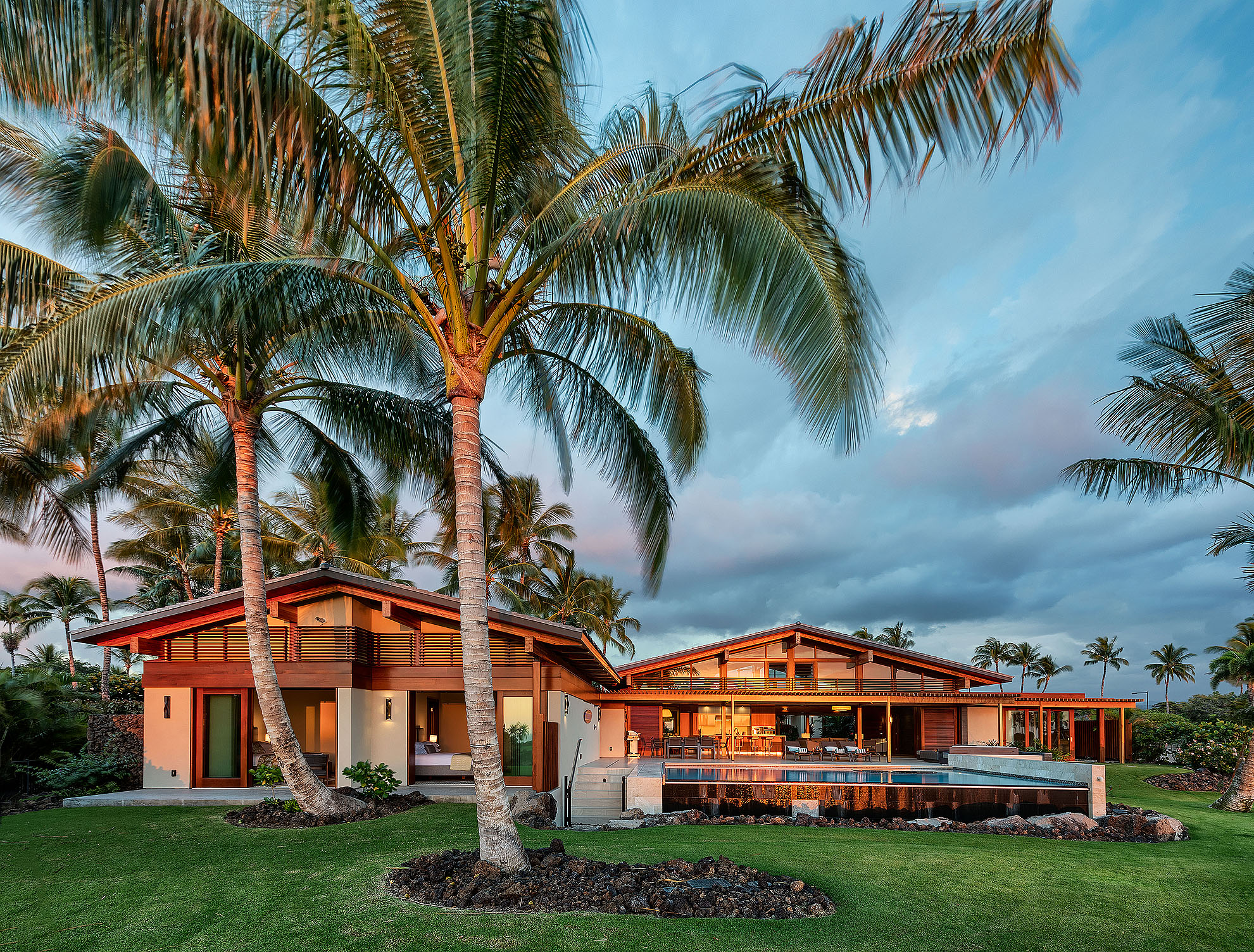
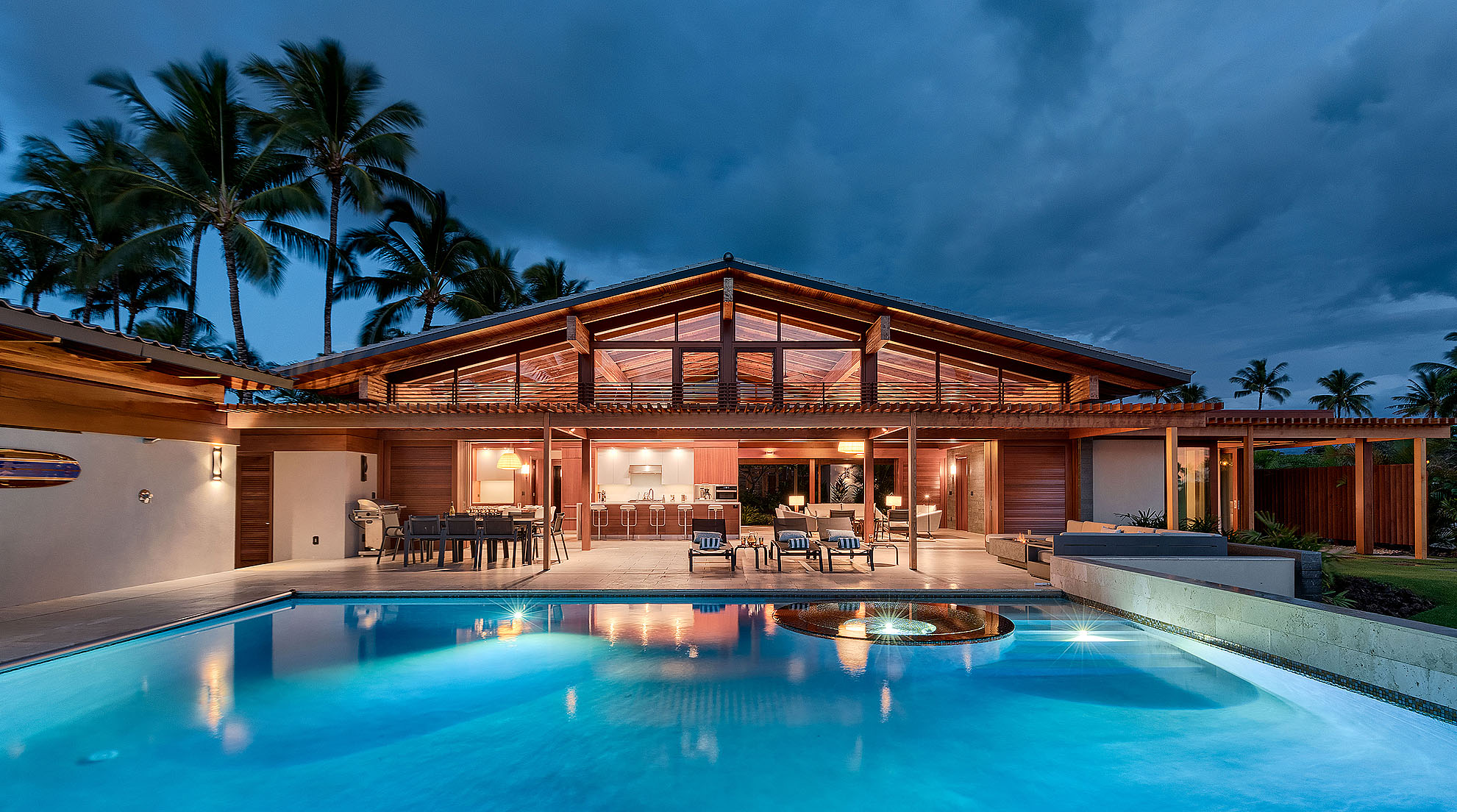
Big Island Architecture Photographer – Mauna Lani Estates
Big Island Architecture Photography- Mauna Lani Estates
PanaViz, a distinguished Hawaii Architecture Photographer, has masterfully captured the essence of the sprawling 3,200-acre Mauna Lani Resort through their lens over the years.
PanaViz is recognized as a premier Big Island Architecture Photographer, specializing in capturing the unique essence of Hawaiian architecture.
In this presentation, we take you on a visual journey to a remarkable residence nestled within the prestigious Mauna Lani Estates, which serves as a splendid testament to the allure of resort living.
As a Big Island Architecture Photographer, PanaViz embraces the beauty of the islands in every shot.
The philosophy of a Big Island Architecture Photographer is to create harmony between the structures and the surrounding environment.
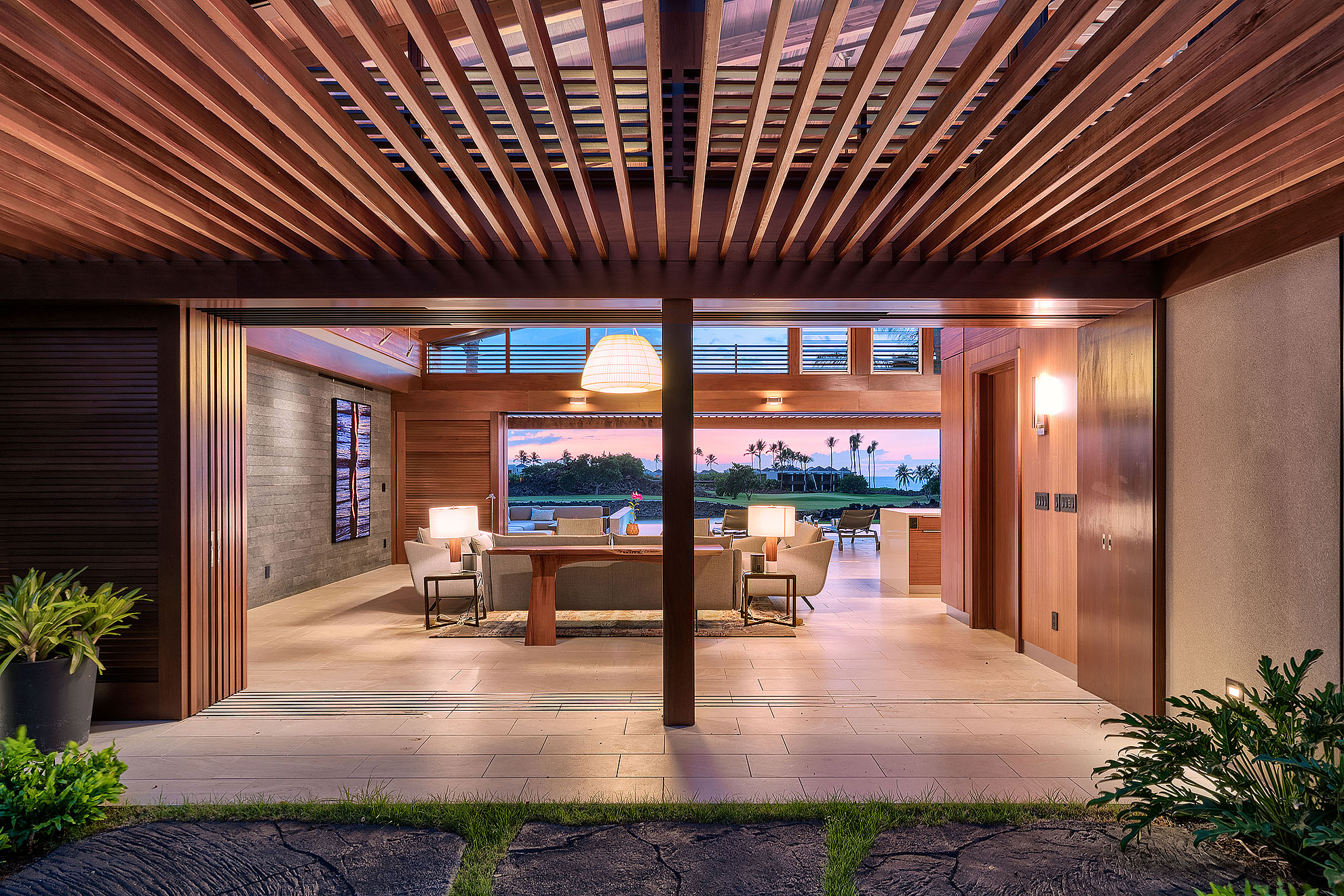
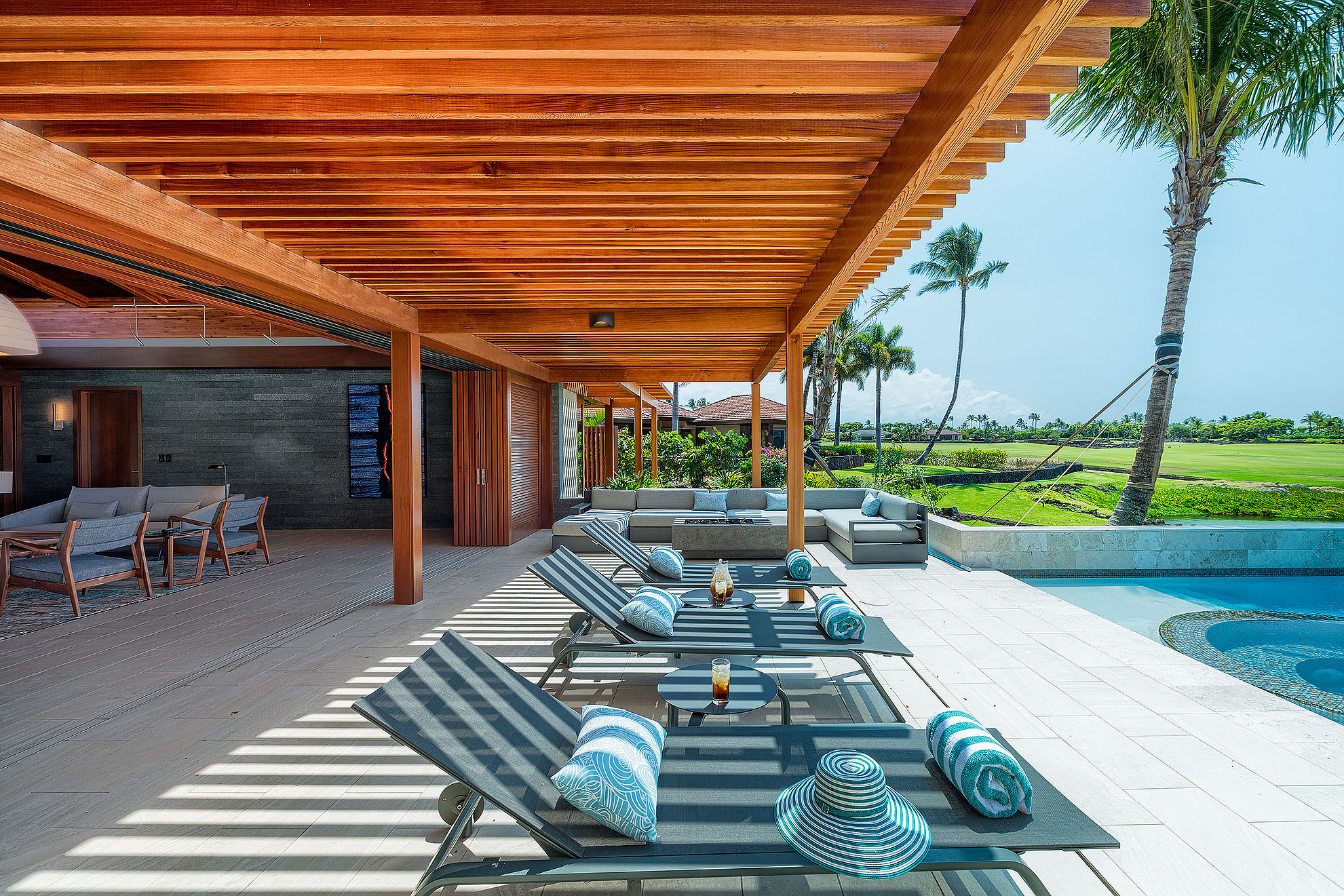
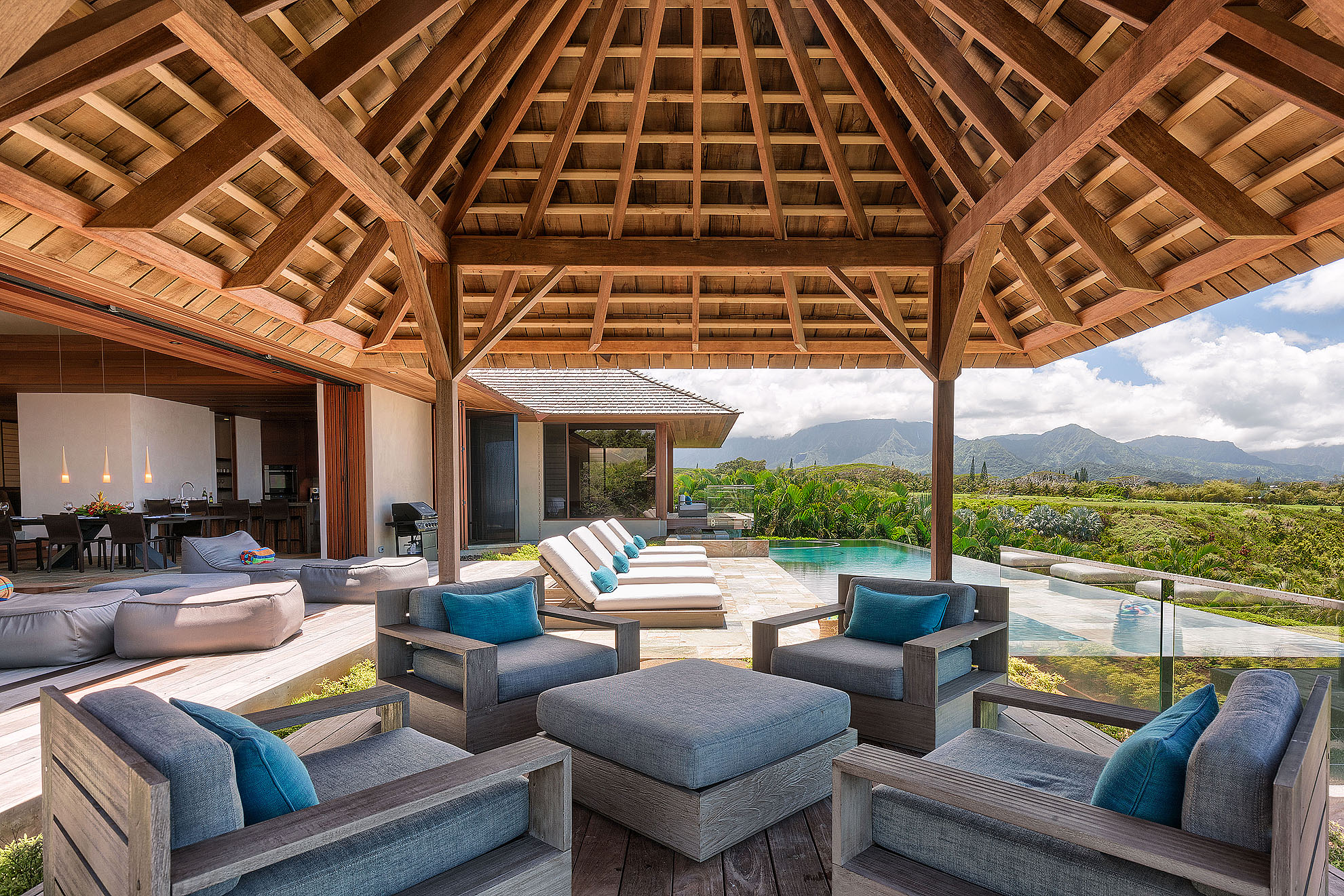
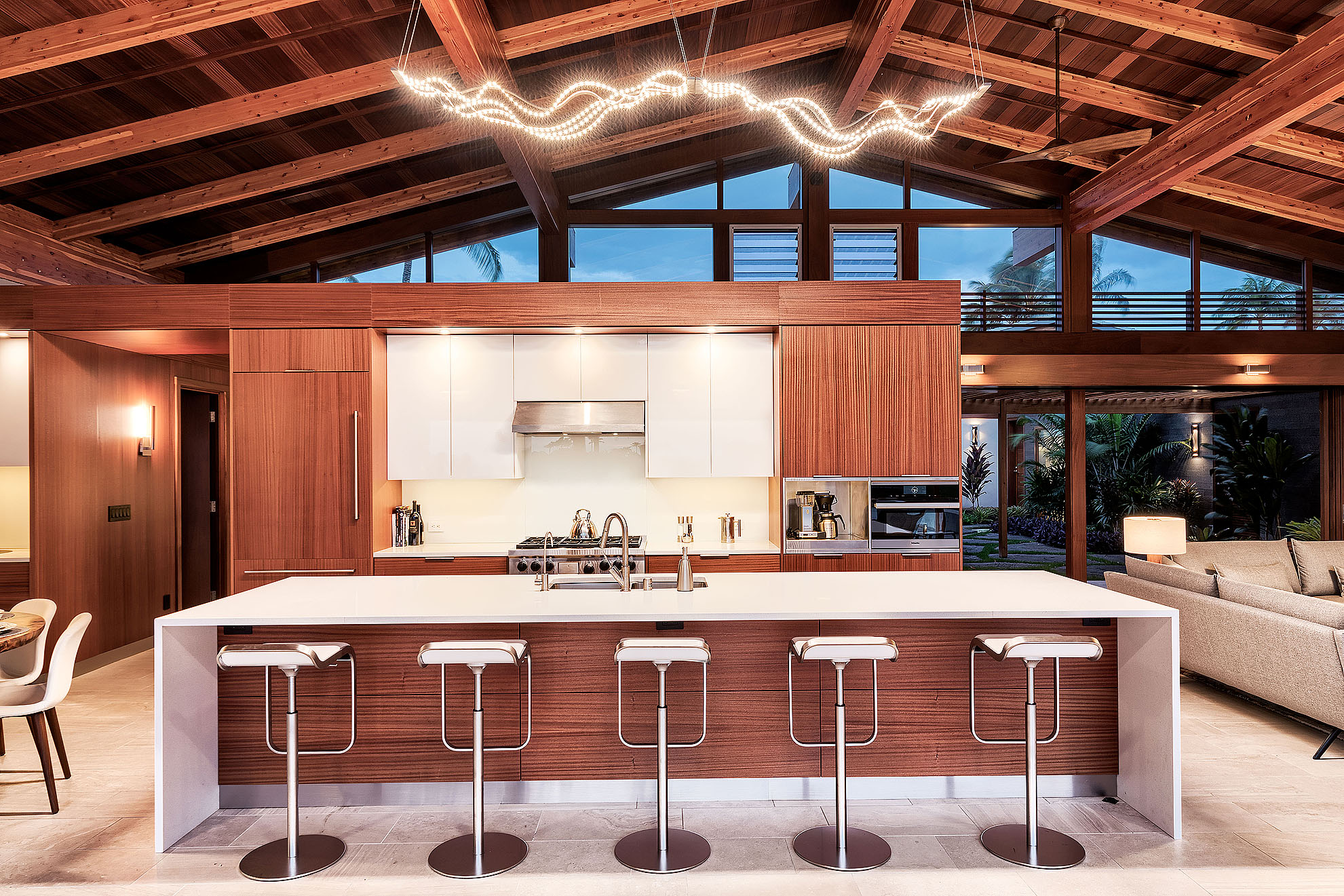
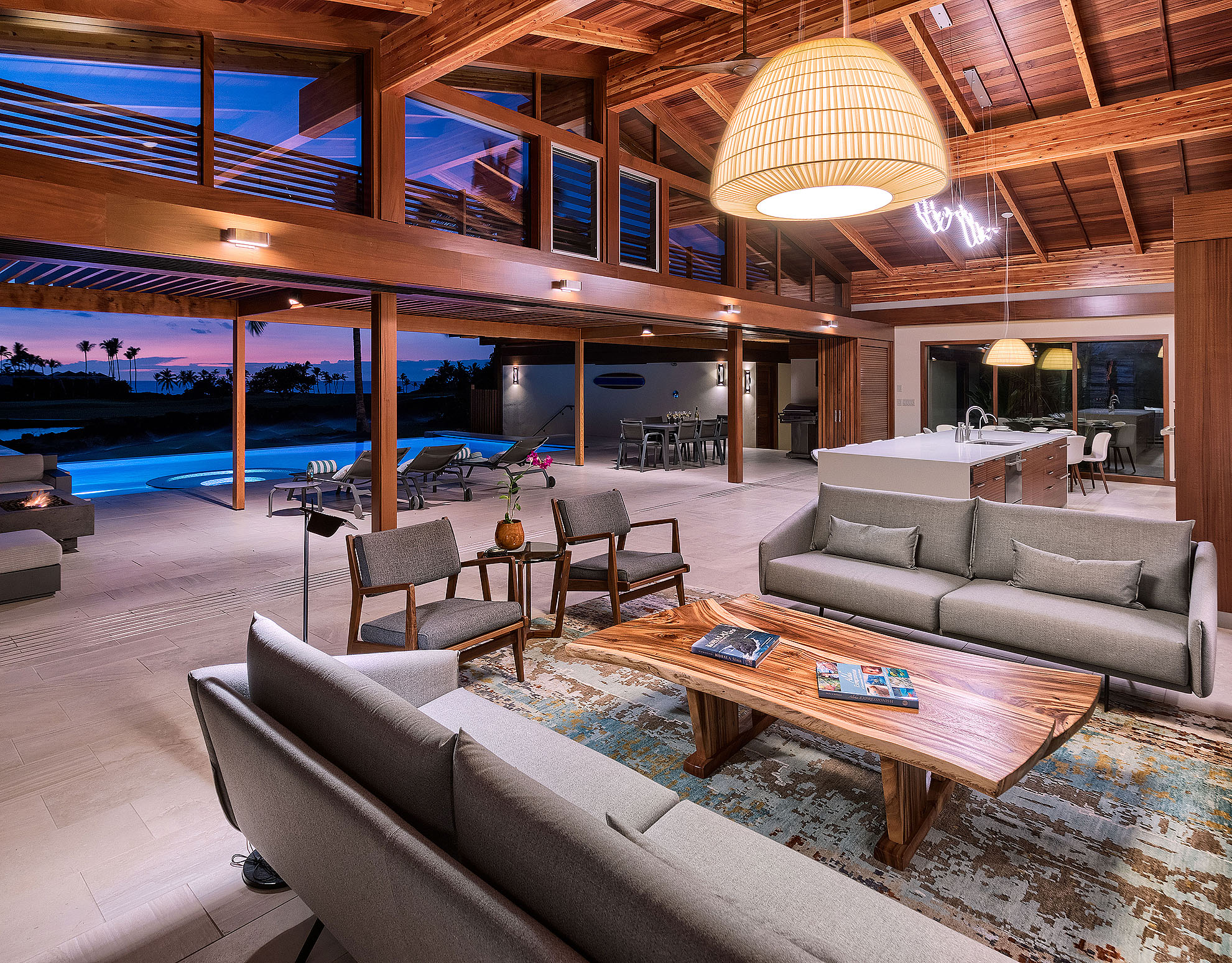
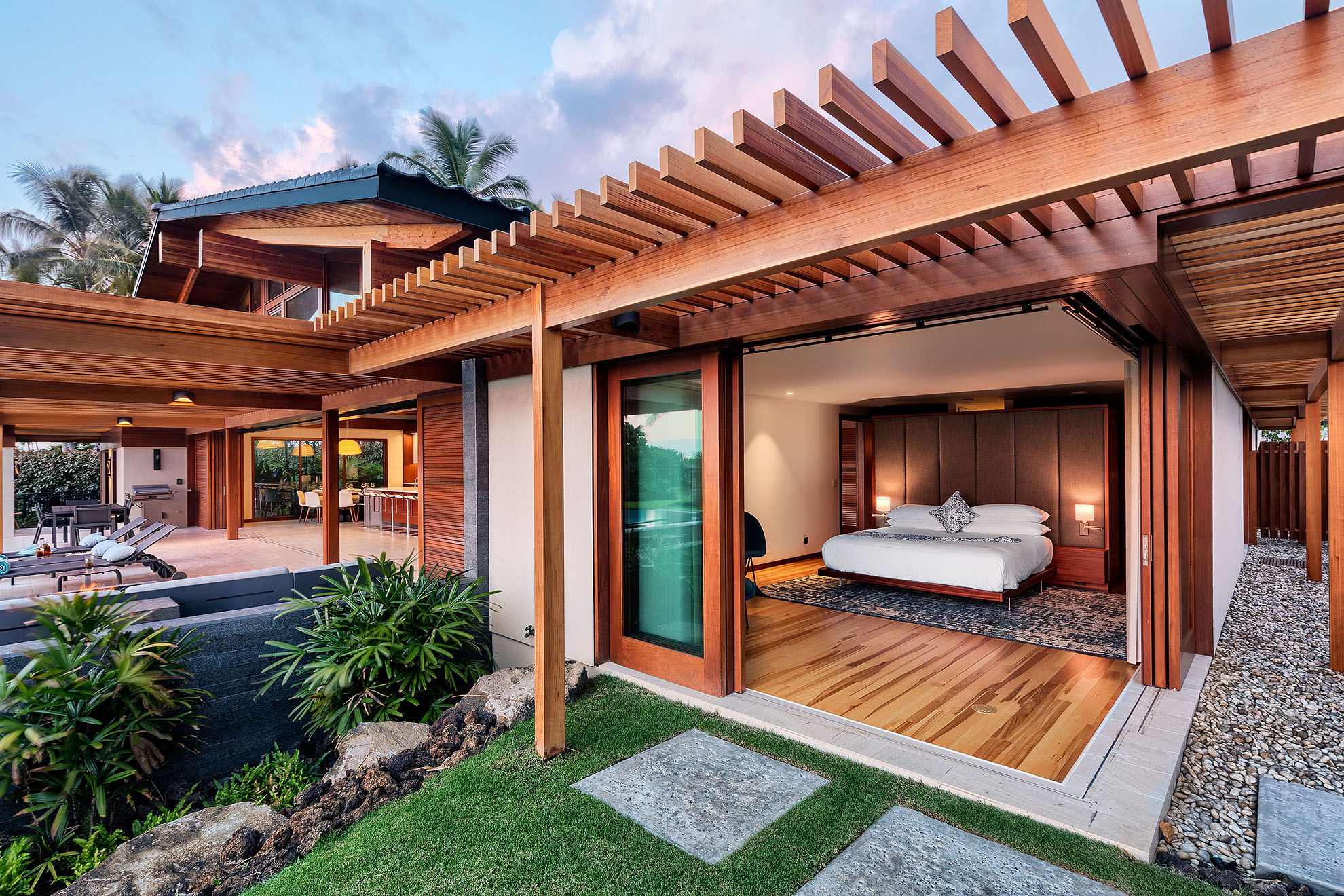
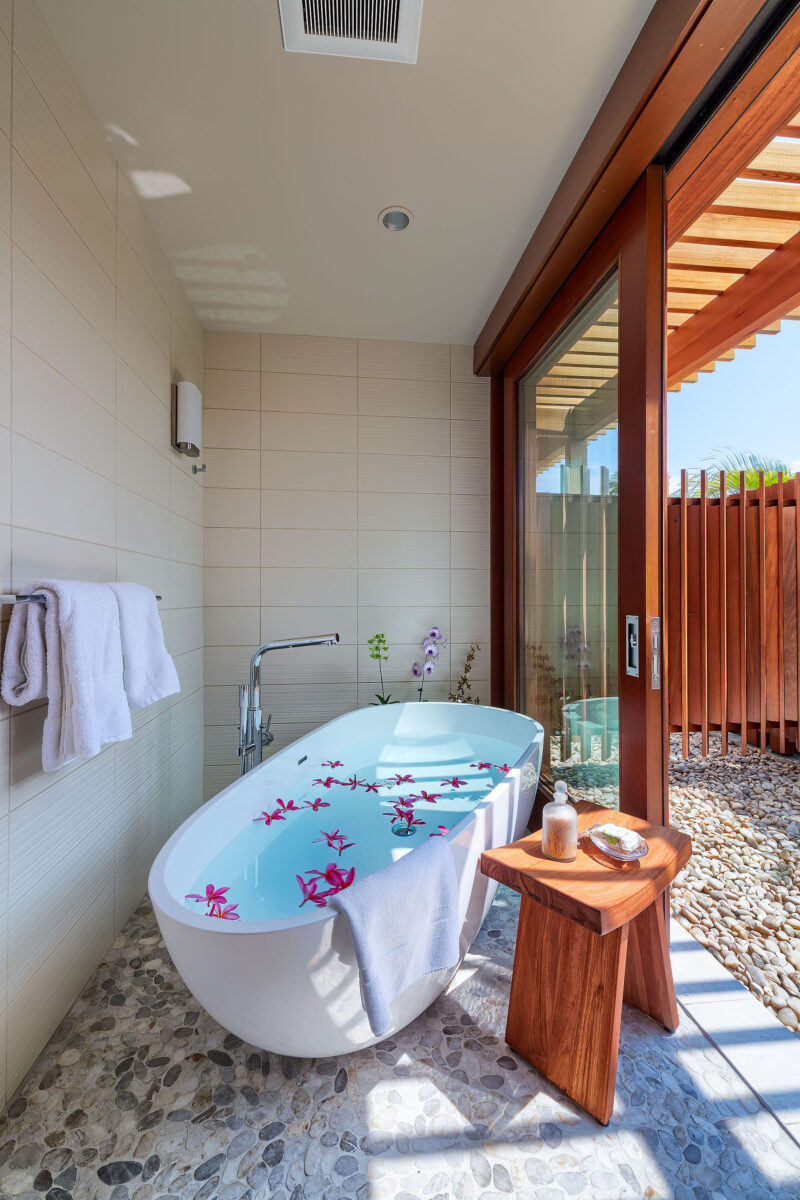
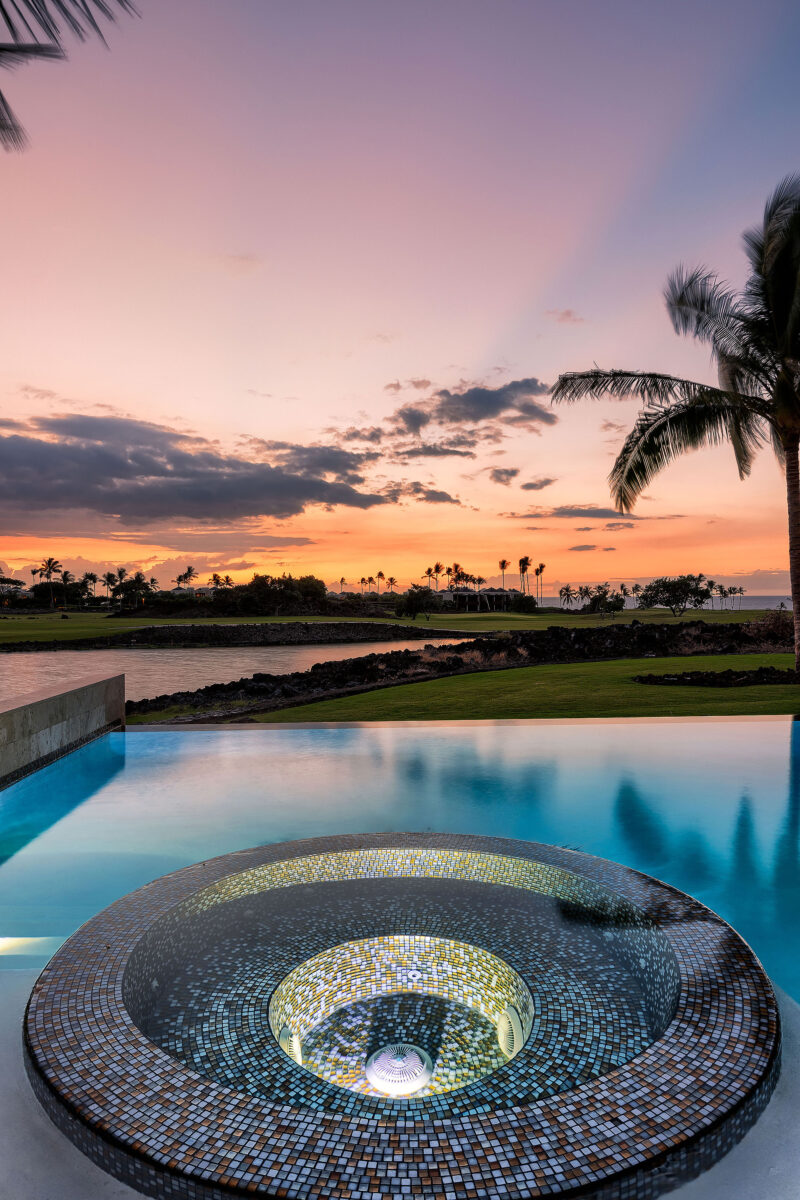
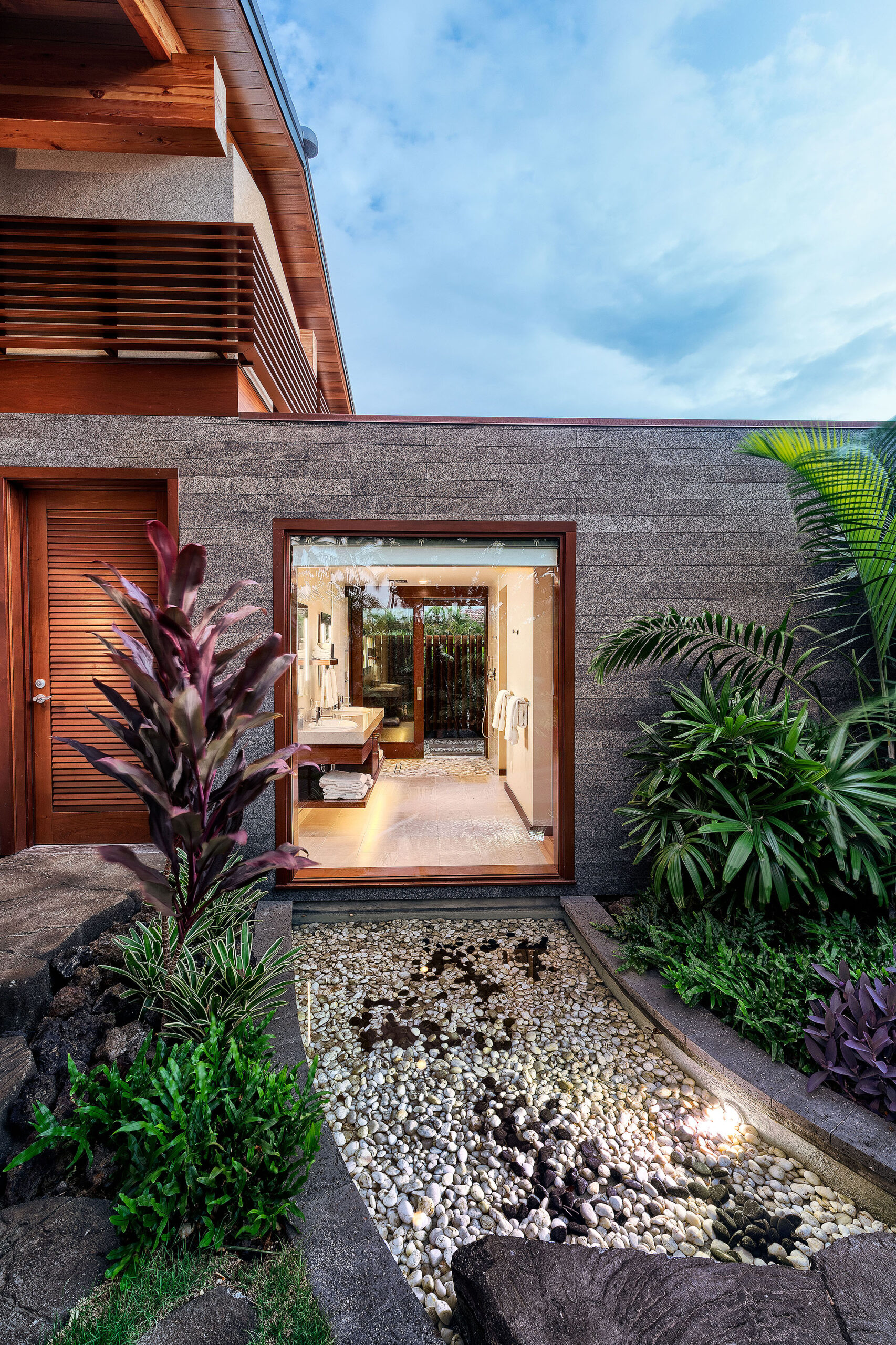
This residence embodies a refined yet unassuming opulence that redefines the concept of leisure in a resort setting. Its exquisite tropical architecture seamlessly melds with the rugged beauty of the surrounding lava fields and the verdant expanse of the Mauna Lani landscape.
The home’s design transcends the boundaries between indoors and outdoors, embracing the Hawaiian philosophy of ‘Aloha aina,’ a deep respect for the land and nature. This reverence is vividly portrayed through the deliberate incorporation of natural materials, the abundant infusion of natural light, and the judicious utilization of natural ventilation throughout the property.
This residence exemplifies the work of a Big Island Architecture Photographer through its innovative design.
Experiencing the Mauna Lani Resort through the lens of a Big Island Architecture Photographer adds an artistic dimension to the natural beauty.
Every corner of this resort has been beautifully captured by a Big Island Architecture Photographer, highlighting its luxurious amenities.
A Big Island Architecture Photographer ensures that the resort’s beauty is showcased in the most compelling way.
From breathtaking views to intricate details, a Big Island Architecture Photographer captures it all.
This home offers stunning visuals that a Big Island Architecture Photographer would relish.
Living in this community is like being part of a gallery curated by a Big Island Architecture Photographer.
Mauna Lani Resort by Big Island Architecture Photographer
Nestled within the vast expanse of the Mauna Lani Resort, a sprawling oasis that spans approximately 3,200 acres and boasts an impressive 3 miles of easily accessible oceanfront beauty, lies a residence that luxuriates in the lap of this prestigious and eco-conscious paradise. Mauna Lani Resort, a globally renowned haven for luxury and sustainability, offers an array of unparalleled amenities, making it a sought-after destination.
At its heart, Mauna Lani is graced by two upscale oceanfront hotels: the Mauna Lani Bay Hotel, boasting 350 lavish rooms, and the opulent Fairmont Orchid Hotel. These accommodations set the tone for an indulgent stay amid the breathtaking natural beauty of the Hawaiian landscape.
The resort’s allure extends well beyond its accommodations, as it proudly hosts two world-class 18-hole championship golf courses that beckon enthusiasts from around the globe. A dedicated Hawaiian spa and fitness club cater to those seeking rejuvenation and relaxation, while tennis courts provide an outlet for active pursuits.
For residents fortunate enough to call Mauna Lani home, the resort extends a wealth of privileges. From the comfort of their abode, they have easy access to the property owner’s beach club, iconic Ancient Hawaiian fishponds, and the mesmerizing historic petroglyph fields. Moreover, the resort’s retail therapy options and an array of dining establishments, both casual and fine, elevate the overall experience.
This particular home enjoys the full spectrum of Mauna Lani Resort’s offerings. It is conveniently situated close to the Mauna Lani Beach Club, a sanctuary of sun and sea, as well as the meticulously designed golf courses that beckon golf aficionados. Additionally, the proximity to an array of shops and dining establishments enhances the convenience of resort living.
As part of the esteemed Mauna Lani Resort community, this home embraces a lifestyle where luxury, leisure, and natural beauty converge harmoniously, offering its residents an idyllic retreat within a world-class destination.
Big Island Architecture Photographer, PanaViz has photographed the following communities with Mauna Lani Resort